
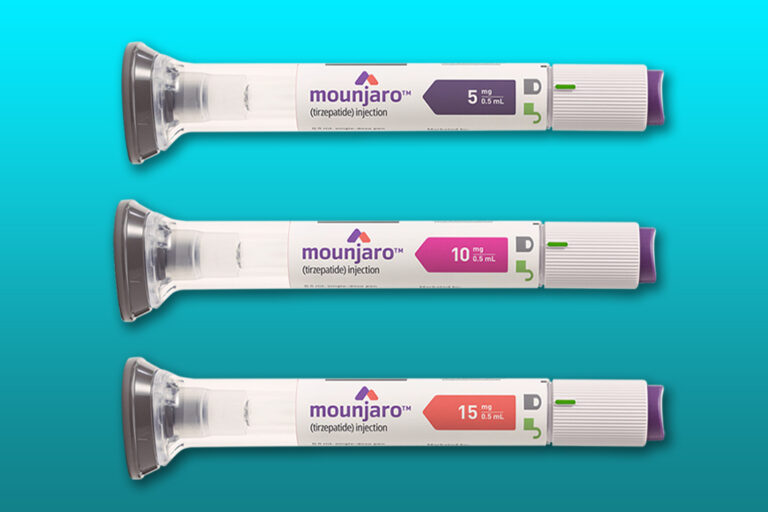
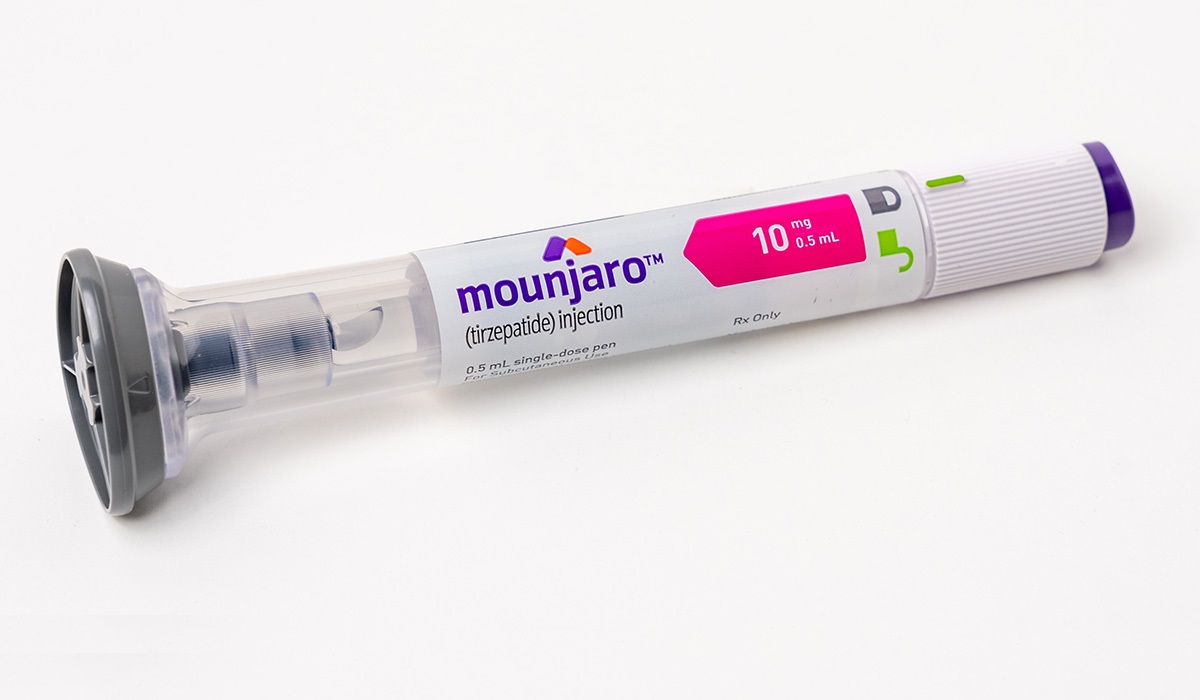
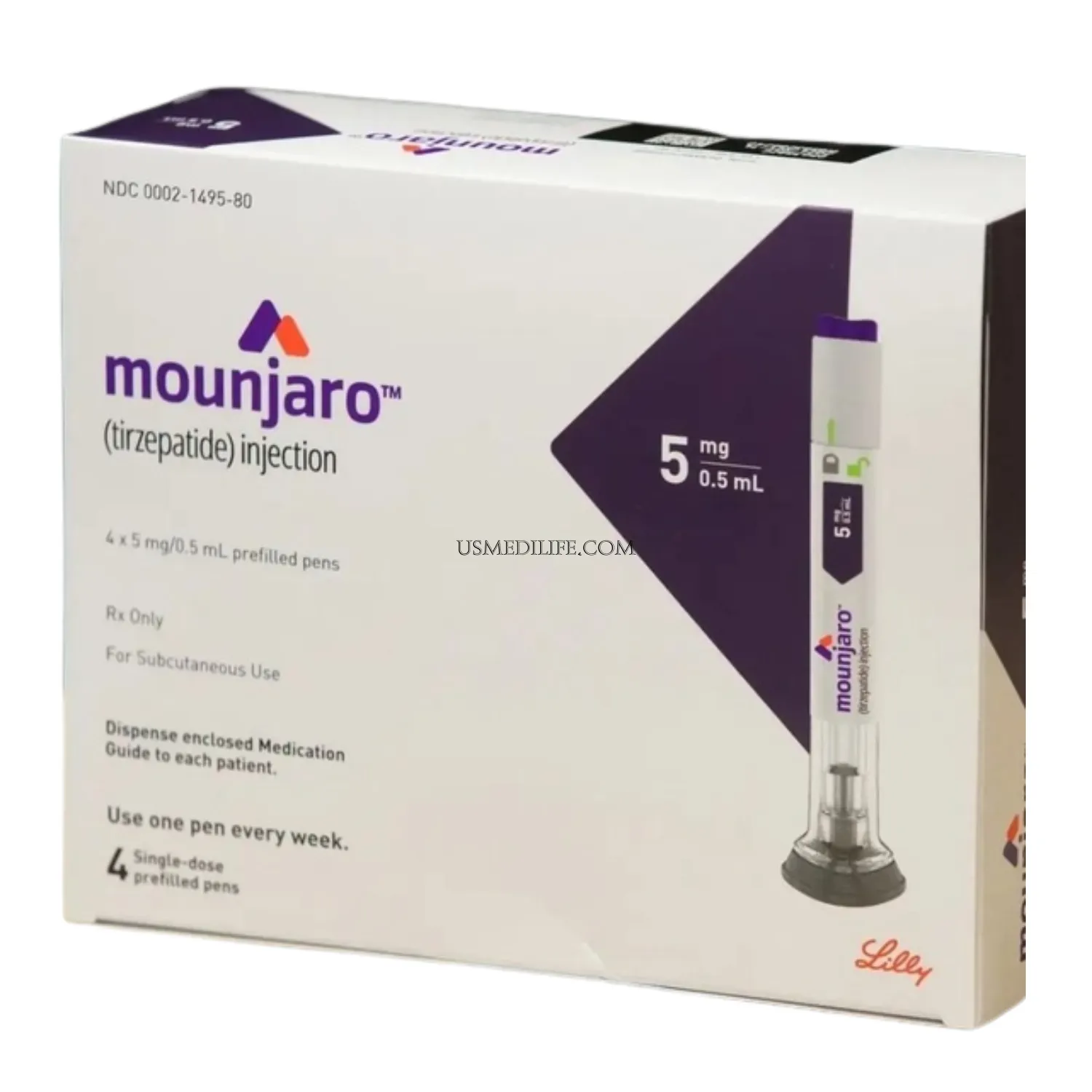
Description
Buy Mounjaro Online – The Most Effective Once-Weekly Weight Loss Injection
What is Mounjaro (Tirzepatide)?
Mounjaro (tirzepatide) is a revolutionary prescription medication developed by Eli Lilly and Company that has transformed the landscape of weight management and metabolic health. As detailed in the Swissmedic authorization summary, Mounjaro is the first and only dual glucose-dependent insulinotropic polypeptide (GIP) and glucagon-like peptide-1 (GLP-1) receptor agonist. This unique dual agonism sets Mounjaro apart from other weight loss medications, making it the most effective weight loss injection currently available on the market, as affirmed by clinical trial data. You can review the complete list of ingredients and side effects in the official Medication Guide approved by the FDA.
How Does Mounjaro Work?
Mounjaro’s mechanism of action is groundbreaking. The active ingredient, tirzepatide, is a 39-amino-acid modified peptide that selectively binds to and activates both GIP and GLP-1 receptors. The FDA explains that this dual activation of hormones secreted from the intestine works to reduce appetite and food intake. This process is complemented by the medication’s ability to delay gastric emptying (the absorption of sugar from food) and stimulate insulin secretion in the pancreas, leading to a significant reduction in body weight, particularly body fat mass. The DailyMed database from the National Institutes of Health (NIH) provides further details on how this mechanism is key to improving glycemic control in adults with type 2 diabetes mellitus.
Clinical Efficacy: Unmatched Weight Loss Results
Mounjaro has demonstrated exceptional weight loss results in the landmark SURMOUNT clinical trials. The SURMOUNT-1 study, which looked at people without diabetes, showed that participants on the 15mg dose lost an average of 22.5% of their body weight. For those with type 2 diabetes, SURMOUNT-2 reported weight loss between 12.8% and 14.7% on the 10mg and 15mg doses respectively, compared to just 3.2% in the placebo group. Extended research from SURMOUNT-3 and SURMOUNT-4 has shown sustained and sometimes increased weight loss over periods longer than one year, with participants achieving a mean weight reduction of 25.3% over 88 weeks. Most impressively, long-term data presented at the European Congress on Obesity showed that adults with prediabetes maintained a 19.4% mean weight loss at 176 weeks (over 3 years). For those without diabetes, the FDA reported that individuals taking the 15mg dose lost an average of 18% of their body weight in the larger of the two trials.
Comparison with Other Treatments
In head-to-head comparisons, Mounjaro has proven superior to other GLP-1 medications. In the SURMOUNT-5 study, tirzepatide (10mg or 15mg) led to an average weight loss of 20.2% compared to 13.7% with semaglutide (Wegovy). A recent cross-sectional study from the NIH also examined associations between taste perception changes and appetite-related outcomes in individuals on incretin-based therapy, including Mounjaro. Furthermore, beyond weight loss, the SURMOUNT-OSA study results published in the New England Journal of Medicine showed that Mounjaro significantly reduced the apnea-hypopnea index (AHI) in patients with moderate-to-severe obstructive sleep apnea.
Important Safety Information
Boxed Warning
Mounjaro carries a Boxed Warning from the FDA regarding the risk of thyroid C-cell tumors. In both male and female rats, tirzepatide causes dose-dependent and treatment-duration-dependent thyroid C-cell tumors. The official prescribing information notes that the human relevance of this finding has not been determined. Mounjaro is contraindicated in patients with a personal or family history of medullary thyroid carcinoma (MTC) or in patients with Multiple Endocrine Neoplasia syndrome type 2 (MEN 2).
Most Common Side Effects
Clinical studies have shown that the most common adverse reactions (reported in ≥5% of patients) include nausea, diarrhea, decreased appetite, vomiting, constipation, dyspepsia, and abdominal pain. The Mayo Clinic notes that most gastrointestinal side effects occur when increasing the dose and decrease over time as the body adjusts to the medication. Mounjaro has also been associated with lower discontinuation rates due to side effects compared to similar medications.
Serious Warnings and Precautions
As detailed in the FDA label, Mounjaro has been associated with the following serious risks: Acute Pancreatitis (discontinue immediately if suspected), Hypoglycemia (risk increases when used with insulin or insulin secretagogues), Hypersensitivity Reactions (including anaphylaxis and angioedema), Acute Kidney Injury (due to volume depletion from nausea/vomiting), Severe Gastrointestinal Adverse Reactions (not recommended in patients with severe gastroparesis), and Acute Gallbladder Disease.
Eligibility and Indications
Mounjaro is indicated for chronic weight management as an adjunct to a reduced-calorie diet and increased physical activity in adults with an initial BMI of ≥ 30 kg/m² (obesity) or an initial BMI of > 27 kg/m² to < 30 kg/m² (overweight) with at least one weight-related comorbidity, including hypertension, dyslipidemia, obstructive sleep apnea, cardiovascular disease, or type 2 diabetes mellitus.
Dosage and Administration
Mounjaro is administered as a once-weekly subcutaneous injection using a pre-filled pen. The dosing schedule follows a structured titration approach: a starting dose of 2.5 mg once weekly for 4 weeks, then increasing to 5 mg once weekly, followed by 2.5 mg increments every 4 weeks based on clinical response, up to a maximum dose of 15 mg once weekly. Administration may occur at any time of day, with or without meals, and it is injected subcutaneously in the abdomen, thigh, or upper arm, with rotation of injection sites with each dose.
Frequently Asked Questions (FAQs)
1. How much weight can I expect to lose on Mounjaro?
Based on clinical trial results, patients without type 2 diabetes lost an average of 15-22.5% of their body weight over 72 weeks, depending on the dose. Patients with type 2 diabetes lost an average of 12.8-14.7% of their body weight over the same period. Long-term studies have shown a mean weight reduction of 25.3% over 88 weeks for those who continued treatment.
2. How quickly does Mounjaro start working?
Weight loss is typically gradual, with most significant results seen at 6-18 months. The SURMOUNT-1 study showed a 72-week trial period for maximum effect. Patients often report reduced appetite within the first few weeks.
3. What is the difference between Mounjaro and Wegovy?
Both are effective weight loss treatments, but they work differently. Mounjaro (tirzepatide) activates both GLP-1 and GIP receptors (dual agonist), while Wegovy (semaglutide) activates only GLP-1 receptors (single agonist). Clinical studies have shown Mounjaro may be more effective for weight loss. Wegovy has demonstrated cardiovascular benefits, while Mounjaro has shown improvements in obstructive sleep apnea outcomes.
4. What are the most common side effects of Mounjaro?
The most common side effects are gastrointestinal and include nausea, diarrhea, decreased appetite, vomiting, constipation, dyspepsia, and abdominal pain. Most gastrointestinal side effects decrease over time as your body adjusts to the medication. Mayo Clinic provides an overview of side effects and dosage.
5. Is Mounjaro safe for long-term use?
Mounjaro has been studied extensively with follow-up periods of up to 176 weeks (approximately 3.4 years) showing sustained weight loss. The safety profile is well-established, with the main concern being the Boxed Warning regarding thyroid C-cell tumors, a risk primarily observed in animal studies. It is contraindicated for patients with a personal or family history of medullary thyroid carcinoma.
6. Can Mounjaro be used with other medications?
Mounjaro may interact with other medications. Concomitant use with insulin or insulin secretagogues may increase the risk of hypoglycemia. Also, oral birth control pills may not work as effectively during the first 4 weeks of treatment and for 4 weeks after each dose increase. Patients should discuss all medications with their healthcare provider.
7. What happens if I miss a dose of Mounjaro?
If you miss a dose and it is within 4 days (96 hours) of your scheduled time, take it as soon as possible. If more than 4 days have passed, skip the missed dose and take your next dose on your regular day. Never take two doses within 3 days of each other.
8. Who is eligible for Mounjaro treatment?
Mounjaro is indicated for adults with a BMI of 30 kg/m² or above (obese), or a BMI of 27 kg/m² or above (overweight) with at least one weight-related comorbidity such as hypertension, dyslipidemia, obstructive sleep apnea, cardiovascular disease, or type 2 diabetes. It is not recommended for individuals with a personal or family history of medullary thyroid carcinoma or MEN 2.
9. Is Mounjaro covered by insurance?
Coverage varies by insurance plan. Mounjaro is approved for both weight management (under the brand Zepbound) and type 2 diabetes. Patients should contact their insurance provider directly to verify coverage and explore potential cost-saving options.
10. Can I stop taking Mounjaro once I reach my weight loss goal?
Long-term data shows that most weight loss is retained, with a mean weight regain of only 3.7% at 176 weeks after reaching nadir weight loss. However, weight-loss trajectories vary, and stopping treatment may lead to weight regain as the medication’s effect on appetite is removed. Discuss maintenance strategies with your healthcare provider.
References and Additional Resources
For more information about Mounjaro, consult these reputable sources:
- FDA Prescribing Information
- DailyMed – NIH
- Swissmedic Authorization Summary
- Mayo Clinic Overview
- Medication Guide (FDA)




Reviews
There are no reviews yet.