
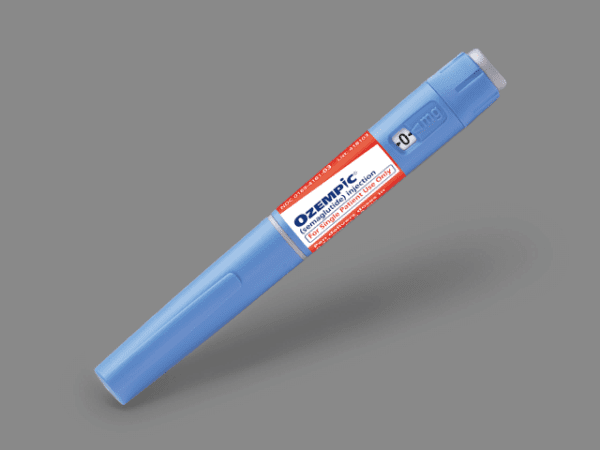
Description
Buy Ozempic (Semaglutide) Online – The Off-Label Weight Loss Solution
What is Ozempic?
Ozempic is a prescription-only medication developed by Novo Nordisk that contains semaglutide, a human glucagon-like peptide-1 (GLP-1) analogue. While Ozempic is FDA-approved for type 2 diabetes to enhance glycemic control, its off-label use for weight management has surged dramatically. As a GLP-1 receptor agonist, Ozempic works by binding to and activating GLP-1 receptors in the brain, pancreas, and gastrointestinal tract. This mechanism reduces appetite, promotes satiety, enhances glucose-dependent insulin secretion, and delays gastric emptying. The marked weight loss induced by semaglutide in clinical trials sparked interest in its potential use for obesity management, and it was subsequently developed and approved under the brand name Wegovy® for weight management among adults with obesity [citation:1]. However, the availability of Wegovy remained limited until recently due to high demand and global supply shortages, which has driven the off-label use of Ozempic for weight loss [citation:1][citation:2].
How Does Ozempic Work?
Ozempic’s mechanism of action is scientifically proven. The active ingredient, semaglutide, mimics the GLP-1 hormone naturally produced in the gut. GLP-1 is a physiological hormone that has multiple actions on glucose, mediated by the GLP-1 receptors [citation:10]. The Mayo Clinic confirms that semaglutide works through multiple pathways: it reduces hunger signals in the hypothalamus, slows gastric emptying to promote prolonged fullness, and increases insulin secretion while suppressing glucagon release. Research has also shown that semaglutide activates human hypothalamic neurons, including proopiomelanocortin (POMC) neurons, which are known to suppress appetite, providing mechanistic insight into how GLP-1 receptor agonists may reduce food intake in humans [citation:11]. These combined effects lead to significant and sustainable weight loss when used alongside a reduced-calorie diet and increased physical activity. Obesity medicine specialists emphasize that semaglutide isn’t simply a tool that suppresses appetite, but that it also likely has effects beyond the weight loss benefits, changing how the body responds to food intake and weight loss [citation:2].
Clinical Efficacy: Proven Weight Loss Results
Semaglutide has demonstrated significant weight loss results in clinical trials. In one landmark study, people with obesity who used semaglutide in combination with lifestyle interventions lost about 15% of their body weight in 68 weeks, averaging about 34 pounds. Research participants who didn’t take the medication lost about six pounds on average [citation:2]. Clinical trial data indicates that semaglutide significantly reduces body weight (7.9%-17.3%), lowers HbA1c levels, waist circumference, and systolic blood pressure, and improves overall physical functioning [citation:3].
Real-world data on off-label Ozempic use provides additional insights. A study of 626 off-label users found that despite erratic use, reported mean weight loss by 8–12 weeks exceeded 5% in most subgroups, with no statistically significant differences across 0.25, 0.5, and 1.0 mg doses. Satisfaction, reported by 56.5% of users, was positively correlated with weight loss and shifted into the positive satisfaction level at an estimated weight reduction of 11.6% [citation:1]. A meta-analysis examining GLP-1 receptor agonists found that on average women who took these medications lost about 11% of their starting weight, compared to about 7% among men, with similar effectiveness based on individuals’ age, race, ethnicity, starting body mass index, and starting HbA1c levels [citation:5].
The weight loss benefits extend beyond the scale. When combined with a healthy nutritional plan and regular exercise, semaglutide can improve blood sugar levels, improve cholesterol levels, improve blood pressure, and reduce the risk of major cardiovascular issues like stroke and heart attack [citation:2].
Off-Label Use and Patient Experiences
Off-label use of semaglutide as Ozempic for weight loss has surged globally. A real-world study found that nearly one-third of users (30.6%) self-initiated Ozempic, most based on independent self-learning and social media [citation:1]. Most respondents (72.4%) used Ozempic solely for weight reduction, with a further 20.1% for both weight loss and diabetes control. However, the study also revealed concerning patterns: only 20.3% followed standard dose escalation, and 59.7% discontinued the drug early before reaching 12 weeks of use, including 4 weeks at the 1.0 mg dose [citation:1].
Analysis of online patient reviews revealed that two-thirds of respondents reported reduced appetite, food cravings, or body weight. Gastrointestinal complaints were common (reported by 62% of reviewers) but did not significantly influence satisfaction ratings or decisions to continue treatment. Instead, minimal/no weight loss and the emergence of nongastrointestinal side effects were more frequently associated with low overall satisfaction and discontinuation [citation:3]. Effective weight loss, even when accompanied by gastrointestinal side effects, was associated with a greater willingness to continue Ozempic treatment [citation:3]. Patients have reported significant lifestyle improvements, with one reviewer noting: “For the first time in 30 years I don’t go to bed kicking myself for what I’ve eaten or making promises to myself to make amends for overeating” [citation:3].
Comparison with Wegovy
Ozempic and Wegovy both contain semaglutide but have different FDA-approved uses and recommended dosages [citation:8]. Wegovy is approved for weight management in adults and children 12 years or older, while Ozempic is approved for managing type 2 diabetes, improving kidney and cardiovascular health in adults with type 2 diabetes and chronic kidney disease, and reducing cardiovascular risk in adults with type 2 diabetes and heart disease [citation:8]. Wegovy is available at a higher dose than Ozempic, with the maximum recommended dosage for Wegovy at 2.4 mg and Ozempic at 2 mg [citation:8]. Research shows that Wegovy may be the better choice for weight loss because it goes up to 2.4 mg weekly as an injectable [citation:8].
Safety Information
Boxed Warning
Ozempic carries a Boxed Warning regarding the risk of thyroid C-cell tumors. In rodent studies, semaglutide causes dose-dependent and treatment-duration-dependent thyroid C-cell tumors. The human relevance of this finding has not been determined [citation:12]. Ozempic is contraindicated in patients with a personal or family history of medullary thyroid carcinoma (MTC) or in patients with Multiple Endocrine Neoplasia syndrome type 2 (MEN 2) [citation:12].
Most Common Side Effects
Clinical studies have shown that the most common adverse reactions (reported in ≥5% of patients) include nausea, vomiting, diarrhoea, constipation, abdominal pain, and headache [citation:12]. Gastrointestinal side effects are the most common, with prevalence ranging from 41.9% to 82.8% (more common at higher doses) [citation:3]. The Mayo Clinic notes that most gastrointestinal side effects occur when increasing the dose and decrease over time as the body adjusts.
Serious Warnings and Precautions
Ozempic has been associated with the following serious risks: Acute Pancreatitis (discontinue immediately if suspected), Hypoglycemia (risk increases when used with insulin or sulfonylureas), Hypersensitivity Reactions, Acute Kidney Injury (due to volume depletion), Acute Gallbladder Disease, and pulmonary aspiration during general anesthesia or deep sedation [citation:12].
Eligibility and Indications
For off-label weight management, healthcare providers typically consider Ozempic for adults with:
- Initial BMI of ≥ 30 kg/m² (obesity), or
- Initial BMI of ≥ 27 kg/m² (overweight) with at least one weight-related comorbidity, including:
- Age 18 years or over
- Clinician determines off-label use is appropriate
Ozempic is not safe for everyone. The medication should be avoided in patients with pancreatitis or other pancreatic-related issues, kidney disease or other kidney-related issues, type 1 diabetes, diabetes-related retinopathy, those who are pregnant or breastfeeding, under the age of 18, with a personal or family history of medullary thyroid cancer or other thyroid issues, or with a personal or family history of multiple endocrine neoplasia or other endocrine issues [citation:2][citation:12].
Dosage and Administration
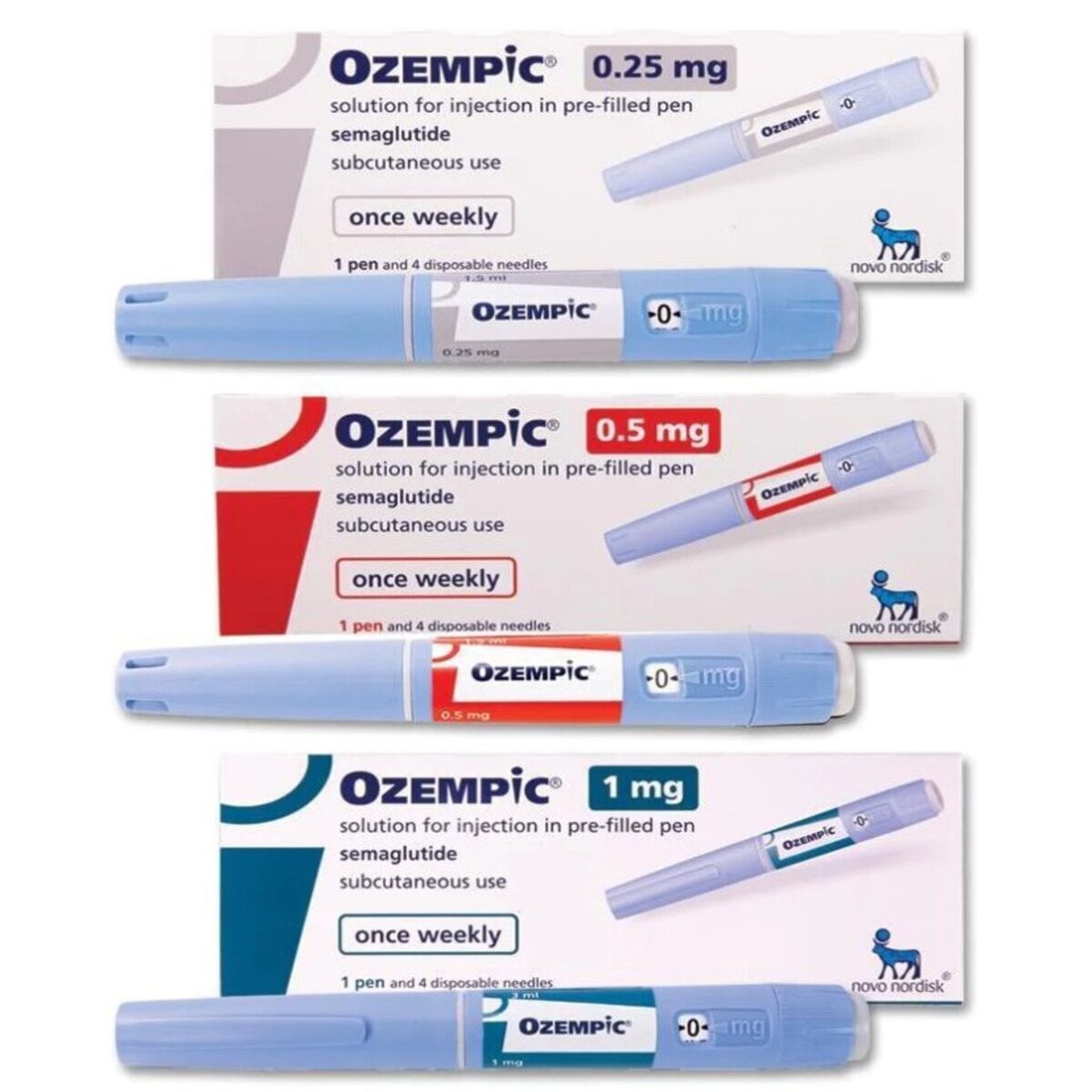
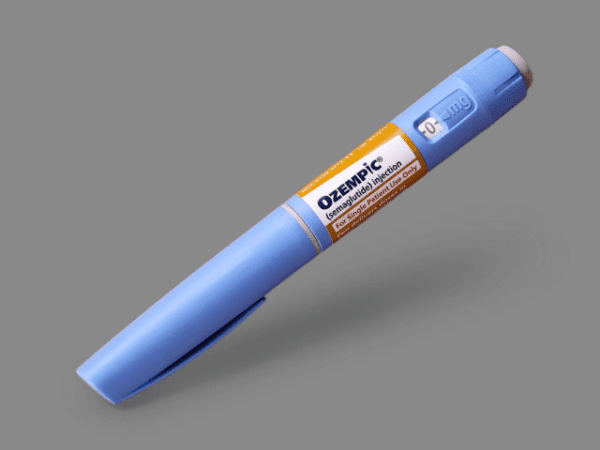
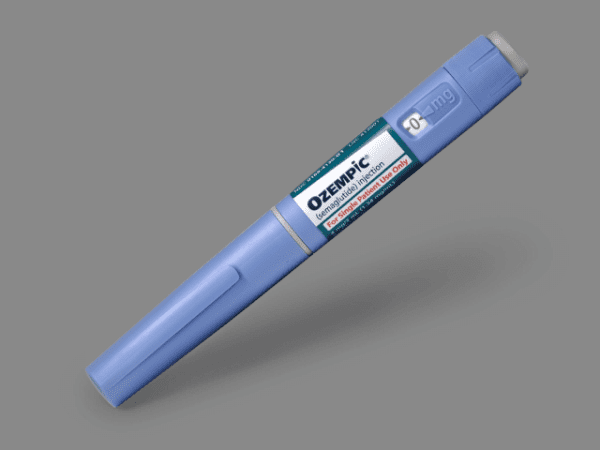
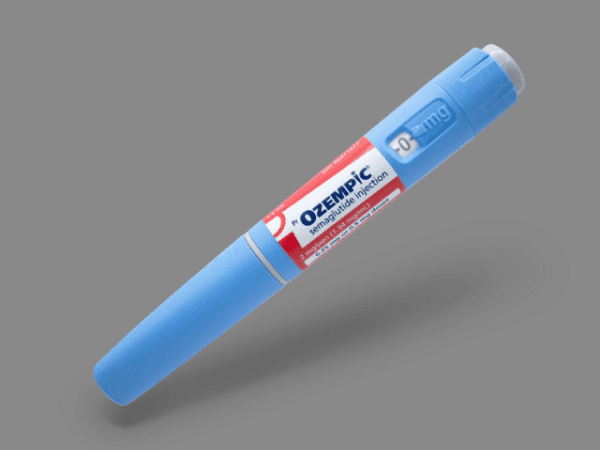
Ozempic is administered as a once-weekly subcutaneous injection using a pre-filled pen. The dosing schedule follows a structured titration approach:
- Starting dose: 0.25 mg once weekly for 4 weeks
- After 4 weeks: Increase to 0.5 mg once weekly
- If additional glycemic control is needed: Increase to 1.0 mg once weekly after at least 4 weeks
- Maximum recommended dose: 1.0 mg once weekly for type 2 diabetes
Note: For off-label weight management, some clinicians may titrate up to higher doses (up to 2.0 mg weekly) based on clinical response and tolerability. Injection sites should be rotated (abdomen, thigh, or upper arm) and administration may occur at any time of day, with or without meals.
Ozempic Treatment Pricing
Ozempic is available through private prescription in the UK. Pricing for a monthly supply typically ranges from £150–£250 depending on dosage requirements. Factors affecting price include:
- Dose (0.25 mg, 0.5 mg, 1.0 mg, or 2.0 mg)
- Provider pricing structure
- Whether clinical assessment and ongoing support are included
- Insurance coverage or self-pay status
Prices are indicative and may vary by provider. All prices typically include full clinical assessment and ongoing clinical support.
Frequently Asked Questions (FAQs)
1. How much weight can I expect to lose on Ozempic?
Based on clinical trial results, patients on semaglutide lose an average of 10-15% of their body weight over 68 weeks. Real-world data shows that off-label Ozempic users achieved clinically meaningful weight loss, with satisfaction shifting into the positive level at an estimated weight reduction of 11.6% [citation:1][citation:3]. A meta-analysis found that on average women who took GLP-1 RAs lost about 11% of their starting weight, compared to about 7% among men [citation:5]. Individual results vary based on factors including dose, adherence to lifestyle changes, and overall health.
2. How quickly does Ozempic start working?
Weight loss is typically gradual, with most significant results seen over 68 weeks. However, many patients report reduced appetite and hunger within the first few weeks of starting treatment. In clinical trials, improvements in weight loss, HbA1c levels, and other outcomes are generally observed within 3 months of initiating treatment [citation:3]. Real-world data shows that reported mean weight loss by 8–12 weeks exceeded 5% in most subgroups [citation:1].
3. What is the difference between Ozempic and Wegovy?
Both contain semaglutide, but they are approved for different indications and doses. Wegovy is approved specifically for weight management in adults and children 12 years or older at doses up to 2.4 mg, while Ozempic is approved for type 2 diabetes at lower doses (up to 2 mg) [citation:8]. Research shows that Wegovy may be the better choice for weight loss because it goes up to 2.4 mg weekly as an injectable [citation:8].
4. What are the most common side effects of Ozempic?
The most common side effects are gastrointestinal and include nausea, vomiting, diarrhoea, constipation, and abdominal pain [citation:12]. Gastrointestinal complaints are common, with prevalence ranging from 41.9% to 82.8% (more common at higher doses) [citation:3]. Most side effects are temporary and decrease over time as your body adjusts to the medication.
5. Is Ozempic safe for long-term use?
Ozempic has been studied extensively, with the safety profile well-established. However, the main concern is the Boxed Warning regarding thyroid C-cell tumors, a risk primarily observed in animal studies [citation:12]. The medication is contraindicated for patients with a personal or family history of medullary thyroid carcinoma. Patients should discuss long-term use with their healthcare provider.
6. Can Ozempic be used with other medications?
Ozempic may interact with other medications. Concomitant use with insulin or sulfonylureas may increase the risk of hypoglycemia [citation:12]. Oral birth control pills may not work as effectively during the first 4 weeks of treatment and for 4 weeks after each dose increase. Patients should discuss all medications with their healthcare provider.
7. What happens if I miss a dose of Ozempic?
If you miss a dose and it is within 5 days of your scheduled time, take it as soon as possible. If more than 5 days have passed, skip the missed dose and take your next dose on your regular day. Never take two doses within 3 days of each other.
8. Who is eligible for off-label Ozempic treatment?
For off-label weight management, healthcare providers typically consider Ozempic for adults with a BMI of 30 kg/m² or above (obese), or a BMI of 27 kg/m² or above (overweight) with at least one weight-related comorbidity such as hypertension, type 2 diabetes, or cardiovascular disease [citation:1][citation:2].
9. Is Ozempic covered by the NHS for weight loss?
Ozempic is not typically covered by the NHS for weight loss as it is licensed only for type 2 diabetes. However, Wegovy (semaglutide) is available through the NHS under NICE guidance for patients meeting specific criteria, including a BMI of 35 or above and at least one weight-related comorbidity. Off-label Ozempic use for weight management is typically through private prescription [citation:1].
10. Can I stop taking Ozempic once I reach my weight loss goal?
Stopping Ozempic typically leads to weight regain. One of the most common misconceptions is that people believe they could take a medication for a few months, then stop and maintain their weight. However, you’re likely to regain the lost weight once the medication is stopped [citation:2]. Discuss maintenance strategies with your healthcare provider to create a plan for long-term weight management.
References and Additional Resources
For more information about Ozempic, consult these reputable sources:
- NHS Guide to Semaglutide
- Cleveland Clinic: Does Ozempic Work for Weight Loss?
- FDA Prescribing Information for Ozempic
- BNFC Semaglutide Prescribing Information (NICE)
- Mayo Clinic Overview
- Novo Nordisk Official Website




Reviews
There are no reviews yet.