
Description
Buy Zepbound (tirzepatide) Injection Online – Once-Weekly Prescription Weight Loss & OSA Treatment
What is Zepbound?
Zepbound is an injectable prescription medicine developed by Eli Lilly and Company that contains the active ingredient tirzepatide. It is a glucose-dependent insulinotropic polypeptide (GIP) receptor and glucagon-like peptide-1 (GLP-1) receptor agonist. This dual agonist mechanism sets Zepbound apart from single-receptor GLP-1 agonists, making it a leading treatment option for adults living with obesity or overweight with weight-related medical problems.
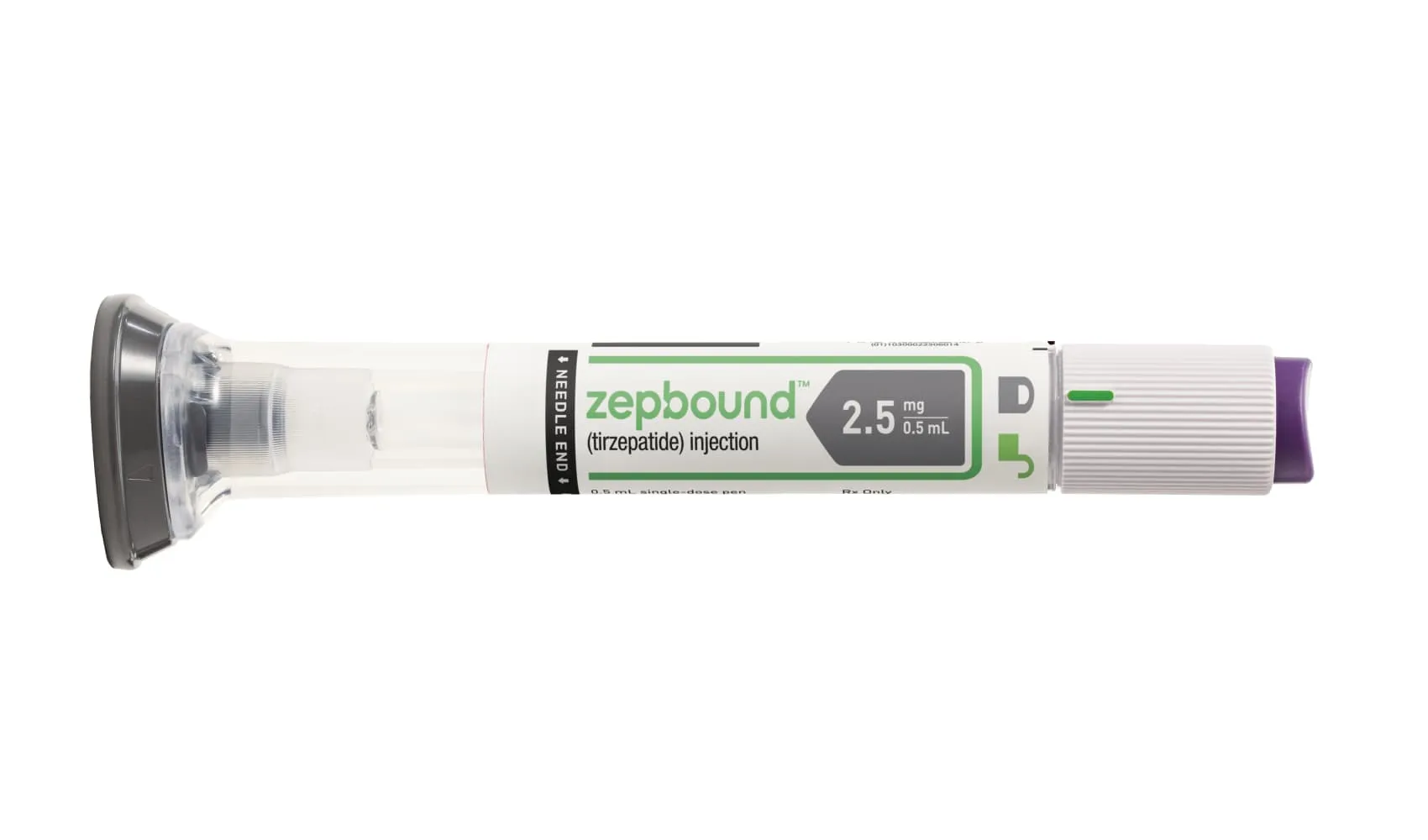
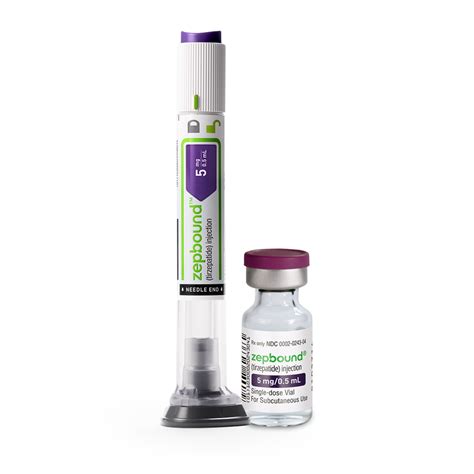
Zepbound is available in single-dose pens or vials in six strengths: 2.5 mg, 5 mg, 7.5 mg, 10 mg, 12.5 mg, and 15 mg per 0.5 mL. The 2.5 mg dosage is for treatment initiation only and is not approved as a maintenance dosage.
Indications and Usage
Zepbound is indicated in combination with a reduced-calorie diet and increased physical activity for:
- Weight Management: To reduce excess body weight and maintain weight reduction long term in adults with obesity (BMI ≥ 30) or adults with overweight (BMI ≥ 27) in the presence of at least one weight-related comorbid condition
- Obstructive Sleep Apnea (OSA): To treat moderate-to-severe OSA in adults with obesity
Limitations of Use
- Coadministration with other tirzepatide-containing products or with any GLP-1 receptor agonist is not recommended
- It is not known if Zepbound is safe and effective for use in children
How Zepbound Works
Zepbound’s mechanism of action is scientifically advanced. The active ingredient, tirzepatide, selectively binds to and activates both GIP and GLP-1 receptors found in brain regions critical for appetite regulation. This dual activation works through multiple pathways:
- Appetite Suppression: By activating GIP and GLP-1 receptors in the hypothalamus, Zepbound reduces appetite and food intake, helping patients achieve sustainable caloric reduction
- Delayed Gastric Emptying: The medication slows the absorption of nutrients from food, promoting satiety
- Enhanced Insulin Secretion: Zepbound stimulates insulin secretion from the pancreas in a glucose-dependent manner, improving glycemic control
By reducing body weight, studies show that Zepbound also improves OSA. The improvement in AHI (apnea-hypopnea index) in participants with OSA is likely related to body weight reduction with Zepbound.
Clinical Efficacy: Unmatched Weight Loss Results
Zepbound has demonstrated exceptional weight loss results in the landmark SURMOUNT clinical trials.
SURMOUNT-1 (Weight Loss – Patients Without Type 2 Diabetes)
In this pivotal 72-week study, participants achieved remarkable results:
| Dose | Average Weight Loss | ≥5% Weight Loss | ≥25% Weight Loss |
|---|---|---|---|
| 5 mg | -15.0% (-33.9 lb) | 85.1% | 15.3% |
| 10 mg | -19.5% (-44.4 lb) | 88.9% | 32.3% |
| 15 mg | -20.9% (-48.1 lb) | 90.9% | 36.2% |
| Placebo | -3.1% (-6.6 lb) | 34.5% | 1.5% |
SURMOUNT-5 (Head-to-Head vs Wegovy)
In the SURMOUNT-5 trial, Zepbound demonstrated 47% greater relative weight loss compared to Wegovy (semaglutide):
| Endpoint | Zepbound (10/15 mg) | Wegovy (1.7/2.4 mg) |
|---|---|---|
| Avg % weight loss | -20.2% (-50.3 lb) | -13.7% (-33.1 lb) |
| ≥10% weight loss | 81.6% | 60.5% |
| ≥15% weight loss | 64.6% | 40.1% |
| ≥20% weight loss | 48.4% | 27.3% |
| ≥25% weight loss | 31.6% | 16.1% |
| Waist circumference reduction | -18.4 cm | -13.0 cm |
These results were published in The New England Journal of Medicine.
New Indication: Obstructive Sleep Apnea (OSA)
On December 20, 2024, the FDA approved Zepbound as the first medication for moderate-to-severe obstructive sleep apnea (OSA) in adults with obesity.
The approval was based on two randomized, double-blind, placebo-controlled studies of 469 adults without type 2 diabetes:
| Study Population | Zepbound AHI Reduction | Placebo AHI Reduction | Difference |
|---|---|---|---|
| Study 1 (unable/unwilling to use PAP) | -25.3 events/hour | -5.3 events/hour | -20.0 events/hour |
| Study 2 (on PAP therapy) | -29.3 events/hour | -5.5 events/hour | -23.8 events/hour |
- 42.2% of Zepbound participants achieved remission or mild OSA with resolution of symptoms (vs 15.9% with placebo) in Study 1
- 50.2% of Zepbound participants achieved remission or mild OSA with resolution of symptoms (vs 14.3% with placebo) in Study 2
- Participants experienced a 50.7% to 58.7% reduction in AHI
Additionally, participants taking Zepbound experienced improvements in cardiometabolic parameters including:
- Systolic blood pressure reduction: 7.6–9.5 mmHg
- hsCRP reduction: 1.4 mg/L
- HDL cholesterol increase: 10.6–15.0%
- Triglycerides reduction: 32.9–35.2%
Zepbound is not indicated for hypertension or dyslipidemia.
Important Safety Information
Boxed Warning: Risk of Thyroid C-Cell Tumors
Zepbound carries a Boxed Warning regarding the risk of thyroid C-cell tumors:
- In rats, tirzepatide causes dose-dependent and treatment-duration-dependent thyroid C-cell tumors at clinically relevant exposures
- It is unknown whether Zepbound causes thyroid C-cell tumors, including medullary thyroid carcinoma (MTC), in humans
- Zepbound is contraindicated in patients with a personal or family history of MTC or in patients with Multiple Endocrine Neoplasia syndrome type 2 (MEN 2)
Counsel patients regarding the potential risk for MTC and inform them of symptoms of thyroid tumors (e.g., a mass in the neck, dysphagia, dyspnea, persistent hoarseness).
Contraindications
Zepbound is contraindicated in patients with:
- Personal or family history of medullary thyroid carcinoma (MTC)
- Multiple Endocrine Neoplasia syndrome type 2 (MEN 2)
- Known serious hypersensitivity to tirzepatide or any of the excipients in Zepbound
Most Common Side Effects
The most common adverse reactions (reported in ≥5% of patients) include:
- Nausea
- Diarrhea
- Vomiting
- Constipation
- Abdominal pain
- Dyspepsia (indigestion)
- Injection site reactions
- Fatigue
- Hypersensitivity reactions (typically fever and rash)
- Eructation (belching)
- Hair loss
- Gastroesophageal reflux disease (heartburn)
In SURMOUNT-5, 6.1% of participants taking Zepbound discontinued treatment due to adverse events, compared to 8.0% of participants taking Wegovy. The most commonly reported adverse events were gastrointestinal-related and generally mild to moderate in severity.
Serious Warnings and Precautions
| Warning | Action |
|---|---|
| Severe Gastrointestinal Adverse Reactions | Not recommended in patients with severe gastroparesis |
| Acute Kidney Injury | Monitor renal function in patients reporting adverse reactions that could lead to volume depletion |
| Acute Gallbladder Disease | Has been reported in clinical trials. If cholecystitis is suspected, gallbladder studies and clinical follow-up are indicated |
| Acute Pancreatitis | Discontinue promptly if pancreatitis is suspected. Do not restart if pancreatitis is confirmed |
| Hypersensitivity Reactions | If suspected, advise patients to promptly seek medical attention and discontinue Zepbound |
| Hypoglycemia | Concomitant use with insulin or an insulin secretagogue may increase risk. Reducing dose may be necessary |
| Diabetic Retinopathy Complications | Monitor patients with a history of diabetic retinopathy for progression |
| Pulmonary Aspiration | Instruct patients to inform healthcare providers of any planned surgeries or procedures |
| Never share a Zepbound KwikPen | Even if the pen needle is changed |
Use in Specific Populations
Pregnancy: Zepbound may cause fetal harm. When pregnancy is recognized, discontinue Zepbound. A Pregnancy Exposure Registry is available for women who have taken Zepbound during pregnancy.
Females of Reproductive Potential: Oral contraceptives may not work as effectively. Advise females using oral contraceptives to switch to a non-oral contraceptive method or add a barrier method of contraception for 4 weeks after initiation and for 4 weeks after each dose escalation.
Breastfeeding: Zepbound may pass into breast milk. Discuss the best way to feed your baby while using Zepbound with your healthcare provider.
Dosage and Administration
Recommended Starting and Maintenance Doses
| Dose | Phase | Details |
|---|---|---|
| 2.5 mg | Starting dose | Once weekly for 4 weeks (initiation only, not approved as maintenance) |
| 5 mg | Maintenance | After 4 weeks, may increase if needed |
| 10 mg | Maintenance | For weight management or OSA, after at least 4 weeks on 5 mg |
| 15 mg | Maximum dose | Highest approved dose; for weight management or OSA |
Important escalation rules:
- The 2.5 mg dosage is for treatment initiation only and is not approved as a maintenance dosage
- Increase the dosage in 2.5 mg increments after at least 4 weeks until the recommended maintenance dosage is achieved
- Consider treatment response and tolerability when selecting the maintenance dosage
- If patients do not tolerate a maintenance dosage, consider a lower maintenance dosage
- For OSA, the recommended maintenance dosage is 10 mg or 15 mg once weekly
- For weight reduction, the recommended maintenance dosage is 5 mg, 10 mg, or 15 mg once weekly
Administration Instructions
- Administer once weekly at any time of day, with or without meals
- Inject subcutaneously in the abdomen, thigh, or upper arm
- Rotate injection sites with each dose (do not use the same site each time)
- If using vials: Always use a new syringe and needle for each injection
- If you miss a dose: Administer as soon as possible within 4 days (96 hours) after the missed dose. If more than 4 days have passed, skip the missed dose and take the next dose on the regularly scheduled day. Do not take 2 doses within 3 days (72 hours) of each other
- Changing the day of administration: You may change the day of the week you use Zepbound as long as the time between the 2 doses is at least 3 days (72 hours)
What to Expect During Treatment
Patients typically experience gradual but steady weight loss:
- First 4 weeks: Initial appetite reduction, smaller portion sizes, early weight loss begins
- Week 20: Noticeable weight loss, improved control over cravings
- Week 72: Many patients achieve milestones of 15-20% weight loss or more
- For OSA: Improvements in sleep apnea symptoms are typically observed over 52 weeks of treatment
Frequently Asked Questions (FAQs)
1. How much weight can I expect to lose on Zepbound?
Based on clinical trial results, patients taking Zepbound achieved average weight loss of 15.0–20.9% over 72 weeks depending on the dose. In the SURMOUNT-5 head-to-head trial, Zepbound led to an average weight loss of 20.2% vs 13.7% with Wegovy. Over 90% of patients on the 15 mg dose achieved at least 5% weight loss.
2. Can Zepbound treat obstructive sleep apnea (OSA)?
Yes. Zepbound is the first FDA-approved medication for moderate-to-severe OSA in adults with obesity. In clinical trials, participants experienced a 50.7–58.7% reduction in AHI events. 42.2–50.2% achieved remission or mild OSA with resolution of symptoms.
3. What is the difference between Zepbound and Wegovy?
Both are effective treatments, but they work differently. Zepbound (tirzepatide) activates both GIP and GLP-1 receptors (dual agonist), while Wegovy (semaglutide) activates only GLP-1 receptors (single agonist). The SURMOUNT-5 trial showed Zepbound provided 47% greater relative weight loss (20.2% vs 13.7%). Zepbound is also FDA-approved for OSA.
4. What are the most common side effects of Zepbound?
The most common side effects are gastrointestinal and include nausea, diarrhea, vomiting, constipation, abdominal pain, and indigestion. Most side effects occur when increasing the dose and decrease over time as your body adjusts. In SURMOUNT-5, fewer patients on Zepbound discontinued treatment due to side effects compared to Wegovy (6.1% vs 8.0%).
5. Is Zepbound safe for long-term use?
Zepbound has been studied extensively with follow-up periods of up to 72 weeks showing sustained weight loss. The safety profile is well-established. The main concern is the Boxed Warning regarding thyroid C-cell tumors, a risk observed in animal studies. The human relevance has not been determined. Zepbound is contraindicated in patients with a personal or family history of medullary thyroid carcinoma or MEN 2.
6. Can Zepbound be used with other medications?
Zepbound may interact with other medications. Concomitant use with insulin or insulin secretagogues may increase the risk of hypoglycemia. Oral birth control pills may not work as effectively during the first 4 weeks of treatment and for 4 weeks after each dose increase. Switch to a non-oral contraceptive method or add a barrier method during these periods. Always disclose all medications to your healthcare provider.
7. What happens if I miss a dose of Zepbound?
If you miss a dose and it is within 4 days (96 hours) of your scheduled time, take it as soon as possible. If more than 4 days have passed, skip the missed dose and take your next dose on your regular day. Never take two doses within 3 days (72 hours) of each other.
8. Who is eligible for Zepbound treatment?
Zepbound is indicated for adults with:
- BMI of 30 or above (obesity), or
- BMI of 27 or above (overweight) with at least one weight-related condition such as hypertension, dyslipidemia, type 2 diabetes, OSA, or cardiovascular disease
It is not recommended for individuals with:
- Personal or family history of medullary thyroid carcinoma or MEN 2
- History of severe gastrointestinal disease (e.g., gastroparesis)
- Known serious hypersensitivity to tirzepatide
9. Is Zepbound approved for people without diabetes?
Yes. Zepbound was specifically studied and approved for weight management in adults without type 2 diabetes. The SURMOUNT-5 trial enrolled adults living with obesity or overweight without diabetes. Zepbound is also approved for OSA in adults with obesity without type 2 diabetes.
10. What should I do before surgery while taking Zepbound?
Zepbound may increase the chance of food or liquid getting into your lungs during surgery or other procedures that use anesthesia or deep sedation. Tell all your healthcare providers that you are taking Zepbound before you are scheduled to have surgery or other procedures.
11. Can I stop taking Zepbound once I reach my weight loss goal?
Stopping Zepbound may lead to weight regain. Clinical trials have shown that weight loss is best maintained with continued treatment. Discuss maintenance strategies with your healthcare provider to create a plan for long-term weight management.
12. Is Zepbound safe during pregnancy?
No. Zepbound may cause fetal harm. When pregnancy is recognized, discontinue Zepbound. A Pregnancy Exposure Registry is available for women who have taken Zepbound during pregnancy. Talk to your healthcare provider about how you can take part.
References and Additional Resources
For more information about Zepbound, consult these reputable sources:
- FDA Prescribing Information – Full prescribing information from the U.S. Food and Drug Administration
- Medication Guide (DailyMed) – Patient-friendly medication guide with complete safety information
- Zepbound Official Website – Clinical data, safety, and study design information
- FDA News Release – FDA Approves First Medication for Obstructive Sleep Apnea
- SURMOUNT-5 Results (NEJM) – Head-to-head trial results published in The New England Journal of Medicine
- ClinicalTrials.gov (SURMOUNT-1) – Study registration for SURMOUNT-1 trial
- ClinicalTrials.gov (SURMOUNT-5) – Study registration for SURMOUNT-5 trial




Reviews
There are no reviews yet.